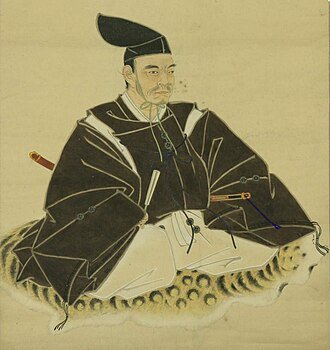
 AuthorArai Hakuseki1657–1725
The Tokushi Yoron (読史余論, A Reading of History) is an analysis of Japanese history written in 1712 by Arai Hakuseki (1657–1725) during the Edo period. It is an effort to understand and explain Japan's past differently from earlier chronologies, such as Jien's Gukanshō (circa 1220), which showed a distinctly Buddhist perspective; Kitabatake Chikafusa's Jinnō Shōtōki (1359), with a distinctly Shinto perspective; and Hayashi Gahō's Nihon Ōdai Ichiran (1652), with a distinctly neo-Confucian perspective.
Hakuseki's contribution lies in the fact that his approach cannot be easily assigned to any of these currents, although he himself would have resisted being labeled non-Shinto, non-Buddhist or non-Confucianist. His most distinctive feature is his identification of a process by which power was transferred from one generation to the next. Earlier Japanese histories were intended largely to show how the past legitimized the present order; the Tokushi Yoron organizes its periodization around changes in political power, a rational stance that sets it apart from its sources.
The work has its problems too. Hakuseki has been criticized for being careless in citing his sources: he drew heavily on Hayashi Gahō's Nihon Ōdai Ichiran without acknowledging it.
Themes
Other works by Arai Hakuseki
Original Filopedia text based on Wikipedia (es) and Wikipedia (en) and Wikidata.