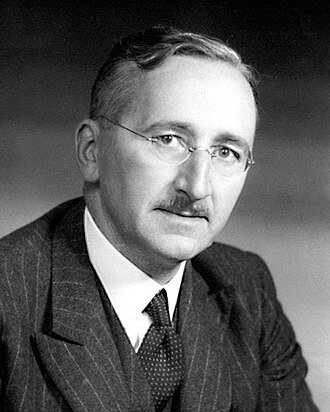
 AuthorFriedrich Hayek1899–1992
The Fatal Conceit, the last book published by the economist Friedrich Hayek, appeared in 1988 under the subtitle The Errors of Socialism. In it, Hayek ventures into sociology and the theory of law to offer an account of how societies, norms and economies develop. His central claim is that socialism is mistaken because it rests on false assumptions about how social knowledge is formed.
According to Hayek, civilization grew thanks to traditions that placed value on private property, which made possible economic expansion, trade and, eventually, the modern capitalist system, which he calls the extended order. This process was not the product of deliberate design but of the spontaneous evolution of rules and institutions. For this reason, constructivist attempts to impose values, ideals or prices from above overlook the dispersed knowledge held by millions of people. Planners, he argues, arrogantly believe they possess all the relevant information, and this presumption has fatal consequences for societies.
The book departs from the classical model of rational action used by liberal economists and bears resemblances to the sociology of Émile Durkheim and the structural-functionalism of Talcott Parsons, which drew criticism from those who saw in it a departure from liberal principles. Its portrayal of socialism, drawing on ideas from Nietzsche, and its speculations about the Greek roots of socialist thought have been judged caricatural by several critics. Scholars still debate whether its influence in the social sciences was as decisive as that of comparable works.
Themes
Other works by Friedrich Hayek
Original Filopedia text based on Wikipedia (es) and Wikipedia (en) and Wikidata.