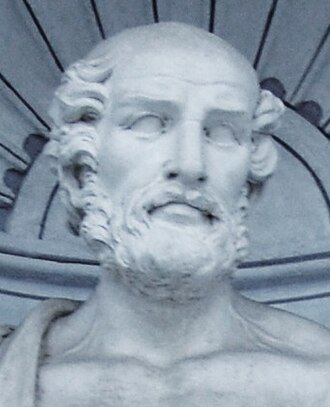
 AuthorTheophrastus370 BC–286 BC
Characters is a short collection of moral portraits traditionally attributed to Theophrastus, the Peripatetic philosopher and pupil of Aristotle. It is usually dated around 319 BC, although the date is uncertain, and the work does not seem to have been published by its author in the form we know today; it probably survives as an unfinished set of notes.
Each chapter describes a human failing, such as flattery, garrulousness, meanness, superstition, cowardice or vanity, through a brief definition followed by a list of actions, gestures and words that reveal it. The composition is uniform and the style sober, with a discreetly ironic tone. Rather than preaching, the work aims at a lucid observation of everyday behaviour. The Greek word for «character» originally meant the mark branded on slaves, and from this came the idea of a trait stamped on a person's conduct. Aristotle laid the groundwork for this notion in the Rhetoric and the Nicomachean Ethics.
The original book probably had thirty chapters, but for centuries only twenty-eight were known. Isaac Casaubon's edition and, above all, the 1786 Parma edition, based on a Vatican manuscript, completed the set. Its structure and order remain debated.
The work inspired later writers, among them Joseph Hall and Jean de La Bruyère, whose Characters of 1688 made it a model of European moral literature.
Themes
Other works by Theophrastus
Original Filopedia text based on Wikipedia (es) and Wikidata.