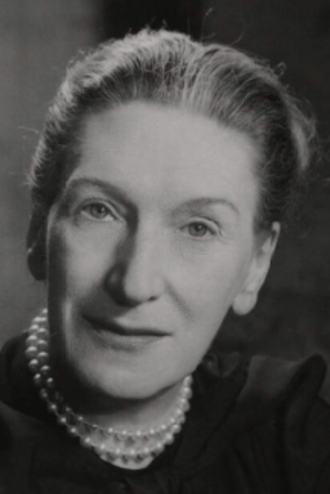
 AuthorElizabeth Bowen1899–1973
The Last September is a novel by the Anglo-Irish writer Elizabeth Bowen, published in 1929. It is set at Danielstown, a country house in County Cork, during the Irish War of Independence (1919–1921), a period the author calls simply "The Troubled Times". Bowen drew on a world she knew well: her father's family had owned land in the region, and the family home, Bowen's Court, survived the conflict, though the author never stopped imagining it burning.
The novel is divided into three parts and follows mainly Lois Farquar, an eighteen-year-old who is uncertain about what it means to be a young woman after the war and about what she wants from her relationship with Gerald Lesworth, a young British officer stationed nearby. Around them moves a social circle shaped by the obligations of class: tennis parties, visits, dances and gatherings with the wives of British officers. Sir Richard and Lady Naylor, the owners of the house, live with a mixture of unease and denial, while guests such as the Montmorencys and the vivacious Marda Norton watch the changes without quite grasping them. Violence, however, draws closer: an armed encounter during an afternoon walk in the countryside, the capture of a young man from a friendly Irish family, and finally Gerald's death, probably at the hands of the same men who attacked the British.
The book is built on the perspective of its characters rather than on action, and its tension lies in what is left unsaid: the silences, the small talk that hides fear, and the ambiguities of a class sensing that it is about to lose its place. Bowen uses a dense, sensory prose attentive to gesture and atmosphere, which has led critics to note affinities with Virginia Woolf and Henry James. In a preface written decades later for an American edition, the author calls it the book closest to her heart, written almost by instinct, and explains the historical background that readers from elsewhere might not know.
The initial reception was favourable, and over time the novel has come to be regarded as one of Bowen's most important works and as a major literary portrait of the decline of the Anglo-Irish landed gentry. In 1999 the writer John Banville adapted it for the screen, in a film directed by Deborah Warner.
Themes
Other works by Elizabeth Bowen
- The House in Paris 1935
- The Death of the Heart 1938
- The Heat of the Day 1948
- Eva Trout 1968
Original Filopedia text based on Wikipedia (en) and Wikidata.