The Origin of German Tragic Drama
treatise on aesthetics and literary history (habilitation thesis)
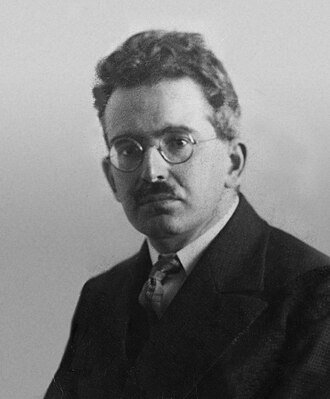 AuthorWalter Benjamin1892–1940
The Origin of German Tragic Drama is the habilitation thesis that Walter Benjamin submitted to the University of Frankfurt in 1925, a study of German drama in the baroque period meant to qualify him for university teaching. Benjamin gathered the core of his source material, some six hundred quotations from German baroque plays, at the Berlin State Library in 1923, and wrote most of the book in the spring of 1924, after a scathing review of his translation of Baudelaire, published under the byline of Stefan Zweig, led him to leave Germany and finish the text on Capri.
The work is organized around the concept of Trauerspiel, a term Benjamin prefers to 'tragedy' for baroque drama, and it deliberately opposes the Aristotelian tradition, whose model of classical tragedy he considers unfit to explain these plays. Instead of dramatic unity and catharsis, Benjamin proposes allegory, ruin, a view of history as decline, and the tyrannical sovereign as keys to the baroque sensibility. The book thus engages with Nietzsche's The Birth of Tragedy, whose title it seems to challenge, and with the way theater preserves transformed remnants of ancient ritual.
The faculty found the text impenetrable, and Benjamin withdrew his candidacy. Rediscovered in the second half of the twentieth century, however, it has become a decisive work for critical theory, the philosophy of history and European thought at large. Its influence reaches Adorno, Horkheimer, Arendt and Scholem, and its reflections on origin and history resonate throughout later work on totalitarianism and culture.
Themes
Other works by Walter Benjamin
Original Filopedia text based on Wikipedia (en) and Wikidata.