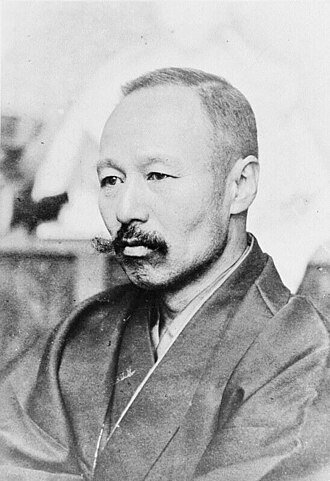
 AuthorMori Ōgai1862–1922
Mori Ōgai's novel, published in serial form in Japan between 1911 and 1913, tells a story of unfulfilled love set in Tokyo in 1880, at the turn between the Edo and Meiji periods. The work reflects the social changes and Westernization of the country, and brings together a varied cast: students preparing for a privileged intellectual life, ordinary people who serve them, and two highly developed female characters.
Its center is Otama, the only child of a widowed merchant, who out of poverty becomes the mistress of Suezo, a moneylender tired of his nagging wife. When she learns the truth about him she feels betrayed and looks for a hero to rescue her. She finds one in Okada, a medical student who becomes both the object of her desire and the symbol of her salvation. Mori sympathetically portrays the dilemmas and frustrations faced by women in the early years of Japan's modernization.
The novel was adapted into a film of the same name in 1953 by Shirō Toyoda, starring Hideko Takamine as Otama.
Themes
Other works by Mori Ōgai
- Vita Sexualis 1909
- Takasebune 1916
- The Dancing Girl
Original Filopedia text based on Wikipedia (en) and Wikidata.