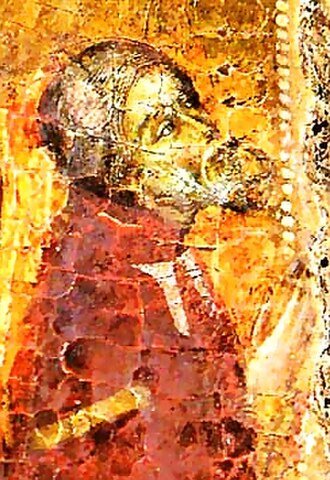
 AuthorDon Juan Manuel1282–1349
Tales of Count Lucanor, in its original Old Spanish title Libro de los enxiemplos del Conde Lucanor et de Patronio, was written between 1331 and 1335 by Don Juan Manuel, Prince of Villena and grandson of King Ferdinand III of Castile. It is one of the earliest substantial works of prose in Castilian Spanish. The book is generally dated to its completion on 12 June 1335, and it is thought that part of it may have been written at the castle of Molina Seca, today Molina de Segura in the Murcia region, then under Don Juan Manuel's lordship in a contested frontier area.
The structure is simple and recognizable. Count Lucanor presents his advisor Patronio with a specific problem, and Patronio, with considerable modesty, answers with a story from which the Count may draw a lesson. Each tale ends with a moral summarized in a rhymed couplet. The collection has five parts. The first, and best known, contains fifty-one tales of very varied origin: fables from Aesop and other classical writers, stories of Arabic and Eastern tradition, and anecdotes from the history of the Iberian Peninsula. Some have been linked to the Indian Panchatantra cycle, such as the tale of the milkmaid Doña Truhana, and others have parallels in Japanese narrative.
The later parts take a different tone. They gather proverbs and moral reflections, and the final part discusses the importance of good works for salvation. Scholars often explain this shift as a response to the dissatisfaction of his patron, James III of Jérica, who apparently wanted something more direct and concise.
The work's influence has been lasting, though its immediate circulation was limited. The first printed edition appeared in Seville in 1575, and in the twentieth century Jorge Luis Borges reworked one of its tales in his Universal History of Infamy. Many of its stories later became material for other writers, and it is regarded as a key monument of Spanish didactic prose.
Themes
Books to read
- El conde Lucanor SpanishEPUB 301 KBRead online
Other works by Don Juan Manuel
Original Filopedia text based on Wikipedia (es) and Wikipedia (en) and Wikidata.