Chronicles from the Land of the Happiest People on Earth
satirical detective novel · 2021
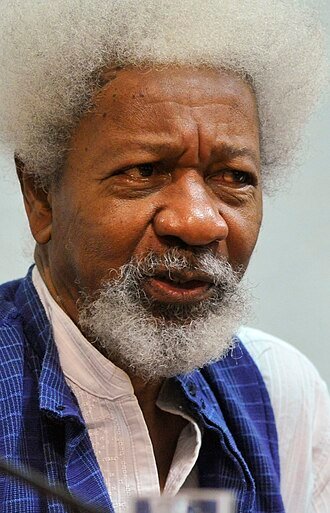 AuthorWole Soyinkab. 1934
Chronicles from the Land of the Happiest People on Earth is a 2021 novel by Nigerian playwright and novelist Wole Soyinka, winner of the Nobel Prize in Literature in 1986. It grew out of a report claiming that Nigerians are among the happiest people on Earth, a paradox Soyinka turned into the core of a political satire. Written in two sessions of sixteen days between Senegal and Ghana, the book was completed during the COVID-19 lockdown, which Soyinka spent at his compound in Abeokuta. It is his third novel and the first since Season of Anomy, published in 1973.
The story is set in an imaginary version of Nigeria. A secret society of highly placed figures from the political and religious elite trafficks in human body parts for use in religious rituals. The organs are stolen from a hospital run by Dr. Kighare Menka, a surgeon who treats war victims. Meanwhile, his friend Duyole Pitan-Payne is about to take up a post as Nigeria's representative at the United Nations in New York, and mysterious forces try to prevent him. After Dr. Menka reveals the scheme operating in his hospital, Duyole is killed. The novel is meant as an allegory of the state-sponsored corruption common in Nigeria and similar African nations.
Critics responded in varied ways. Kirkus Reviews gave it a starred review praising its wordplay, while Publishers Weekly called it a biting satire and a droll whodunit. Ben Okri considered it Soyinka's greatest novel and one of the most shocking chronicles of an African nation in the twenty-first century. Juan Gabriel Vásquez, writing in The New York Times, observed that the plot is convoluted and at times obscure, yet the book successfully explores the crossroads of corruption, religious fanaticism and the legacy of colonial division. Other reviewers were more reserved, judging it less accomplished than Soyinka's best work, though they admired its strongest passages.
Themes
Other works by Wole Soyinka
- The Interpreters 1965
- The Lion and the Jewel 1967
Original Filopedia text based on Wikipedia (es) and Wikipedia (en) and Wikidata.