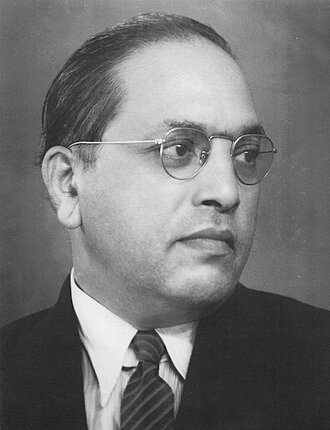
 AuthorB. R. Ambedkar1891–1956
Annihilation of Caste is a speech that B. R. Ambedkar wrote in 1936 for an anti-caste convention in Lahore, organised by the Jat-Pat Todak Mandal, a society of Hindu reformers. After reading the text, the organisers judged it too controversial and too long, and withdrew the invitation. Ambedkar published it himself, printing 1,500 copies, and it became widely read and was translated into several Indian languages. It has since been regarded as a manifesto for the abolition of caste and for social emancipation.
The central claim is that social reform must come before political and religious reform. Ambedkar denounces the oppression of the so-called untouchables by upper-caste Hindus and argues that the caste system corrupts ethics, morality and public spirit, making associated life impossible. He rejects the traditional defences of caste based on the division of labour, purity of blood and historical legitimacy. In his view, inter-caste dining and marriage are not enough to end caste; the religious beliefs that sustain it, especially the authority of the Shastras and the Manusmriti, must be destroyed. He also argues that socialism cannot succeed in India while caste persists.
The work led to a famous debate with Mahatma Gandhi, who defended caste in his writings of 1936. Ambedkar replied in the second edition of 1937, which included his response to Gandhi. In 2014 Navayana published an annotated edition with an introduction by Arundhati Roy.
Themes
Other works by B. R. Ambedkar
Original Filopedia text based on Wikipedia (en) and Wikidata.