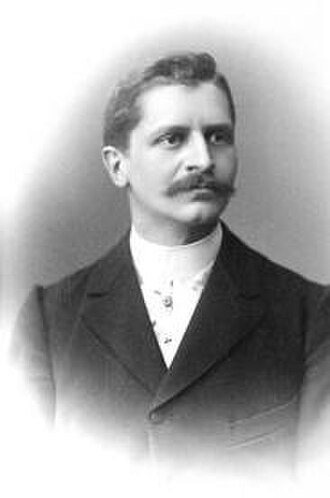
Jules Lachelier
1832–1918 · French spiritualist philosopher
Jules Lachelier (1832-1918) was a French philosopher associated with spiritualism and with an idealist tradition rooted in Kant. He is regarded as a central figure of the neo-spiritualist movement that reshaped French philosophy in the late nineteenth century, and his influence reached several major thinkers who followed him.
He described himself as an intellectualist and set out to carry on the philosophy of Kant. His best-known essay, Psychology and Metaphysics, distinguished his views from those of Victor Cousin and laid the groundwork for his spiritualist outlook. From Félix Ravaisson he took the phrase "spiritual realism" to name his own position, which sought to link thought with reality and to offer a foundation for induction within a philosophy of nature.
His theory of induction, presented in The Foundation of Induction, was discussed by Émile Meyerson. Among those who took up his ideas were Émile Boutroux, Victor Brochard and Henri Bergson, to whom Bergson dedicated Time and Free Will.
Key ideas
- Rational idealism: reality is understood through reason, in line with the Kantian heritage Lachelier wanted to extend.
- Spiritual realism: a term borrowed from Ravaisson to describe a philosophy in which mind is part of what is real.
- Foundation of induction: an attempt to justify the move from particular cases to general laws within a philosophy of nature.
- Distinction between psychology and metaphysics: a separation of levels that places the study of consciousness apart from the analysis of being.
Teachers and influences
Pupils
- Émile Boutroux 1845–1921
- Jules Lagneau 1851–1894
Influenced
- Henri Bergson 1859–1941
Original Filopedia text based on Wikipedia (en) and Wikidata.