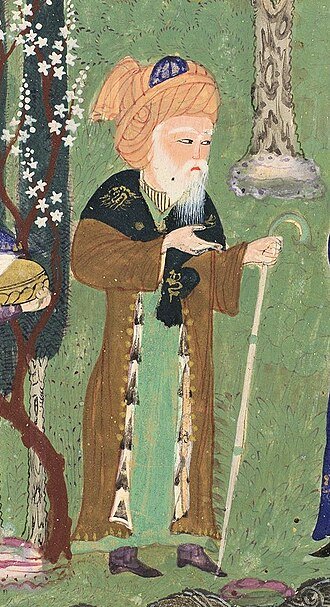
 AuthorFerdowsi940–1020
The Shahnameh, or Book of Kings, is a monumental epic poem written in Persian by Ferdowsi, who began it around 977 and completed it in 1010 according to most accounts. It is the national epic of the Persian-speaking world and one of the longest epic poems ever composed by a single author, with some 50,000 couplets. It traces the history and mythology of Iran from the creation of the world to the Muslim conquest in the seventh century.
Ferdowsi drew mainly on a prose chronicle of the same name that he had compiled earlier in his native Tus. This, in turn, largely translated a Middle Persian work, the Khwadāy-Nāmag or Book of Kings, a late Sasanian account of the kings and heroes of Persia. Ferdowsi added passages of his own invention and carried the story down to the overthrow of the Sasanians. Scholars also note the use of oral traditions and other Pahlavi sources, some now lost. The poem is thus less an invention from nothing than a poetic reworking of older lore.
The work falls into three broad ages: the mythical, which covers creation and the first kings, including Jamshid, Zahhak and Fereydun; the heroic, which occupies nearly two-thirds of the book and centres on Rostam, the great hero of Sistan, with his battles and romances; and the historical, which treats the Sasanian dynasty with considerable detail and presents the Arab conquest in a more romantic light.
Its reception has been immense. It helped revive the Persian language after the strong influence of Arabic, and speakers of Persian regard it as a masterpiece and the great repository of Iranian cultural identity across Iran, Afghanistan, Tajikistan and beyond. Its moral and patriotic messages have been read in different ways by successive regimes, some of which viewed its criticism of kings and its tensions with Islam with suspicion.
Themes
Original Filopedia text based on Wikipedia (es) and Wikipedia (en) and Wikidata.