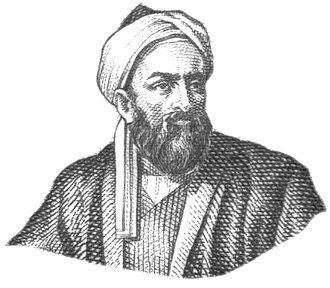
 AuthorAl-Biruni973–1048
The Remaining Signs of Past Centuries is the first major work of Abū Rayhān al-Bīrūnī (973–1048), a comparative study of how different cultures and civilizations measured and recorded time, supported by mathematical, astronomical and historical research. Its exact publication date is unknown, but the text was compiled in Gorgan while the author was in his twenties, at the court of Qabus, the Ziyarid ruler of the region, to whom it is dedicated. It survives in more than twenty manuscripts, the earliest dated 1206–1207.
The work builds a universal timeline and places significant historical events along it, relating the customs and religions of different peoples across time. Al-Bīrūnī argues that understanding the world requires studying many cultures together, and he uses this argument to defend the legitimacy of his own project. His method is analytical and comparative: he examines the causes and effects of events rather than offering a mere list of names and dates, and he attends to the language, art, science and everyday practices of each society.
For centuries the book was a standard reference on the history of Muslim lands. Some of its copies are illustrated, the best known being an Ilkhanid codex from northwestern Iran or northern Iraq of the early fourteenth century, whose miniatures mix religious and scientific subjects with a strong interest in Persian history.
Themes
Other works by Al-Biruni
- Al-Biruni's India 1030
Original Filopedia text based on Wikipedia (en) and Wikidata.