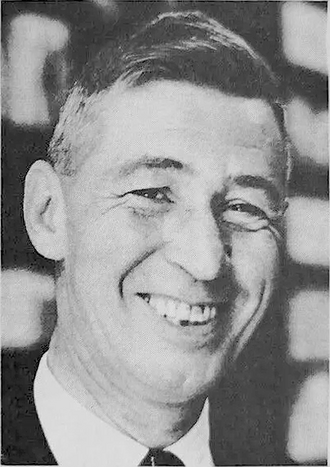
 AuthorHergé1907–1983
The Adventures of Tintin is one of the most influential European comic series of the twentieth century. Created by the Belgian cartoonist Georges Remi, known by the pen name Hergé, it consists of 24 albums, the last of which was left unfinished and published after Hergé's death in 1983. Its graphic and narrative style is known as the "clear line".
The series began in 1929 in Le Petit Vingtième, a youth supplement to the conservative Catholic newspaper Le Vingtième Siècle, run by the Abbé Norbert Wallez. The first adventure, Tintin in the Land of the Soviets, had a strongly anti-communist slant and drew on a critical book about the Soviet regime. It was followed by Tintin in the Congo, with its paternalistic, colonialist tone, and Tintin in America, which criticised consumerism. Over time Hergé moved beyond ideological commissions and widened his settings, both real and invented, such as the fictional countries of Syldavia and San Theodoros.
During the German occupation of Belgium the series appeared in the newspaper Le Soir, where Hergé had to avoid any political commentary. After the war the adventures moved to the magazine Tintin, and in 1950 Hergé founded a studio that produced several albums with the help of artists such as Bob de Moor and Roger Leloup.
Its success was exceptional: more than 200 million albums are estimated to have sold in dozens of languages. Its fame has also been accompanied by controversy over the racial stereotypes and ideological positions of some early episodes, which were revised in later editions.
Themes
Original Filopedia text based on Wikipedia (es) and Wikipedia (en) and Wikidata.