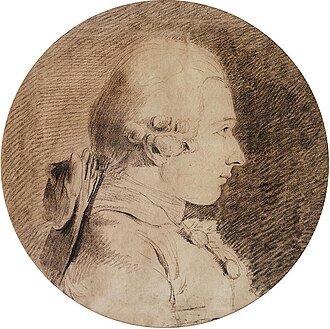
 AuthorMarquis de Sade1740–1814
Juliette, or Vice Amply Rewarded is a libertine novel by the Marquis de Sade, published between 1797 and 1801, when the author had already spent years imprisoned and persecuted for his writings. It was conceived as a companion and counterpoint to Justine, or the Misfortunes of Virtue, and the two form a diptych: in the first, a virtuous young woman suffers relentless abuse at the hands of those around her, while in this one her sister, born into the same destitution, chooses the opposite path and prospers.
The novel recounts in the first person the life of Juliette from the age of thirteen, when, orphaned, she is initiated into libertinism in a convent. From then on she moves through a succession of encounters with depraved characters, from courtesans and financiers to aristocrats and high clergy, and commits murders without remorse. Her account, addressed in large part to her sister Justine, combines scenes of extreme sexual violence with long philosophical digressions on religion, morality, nature and aesthetics. The central argument of these passages is that virtue has no foundation and that the only aim of life is one's own pleasure, with no regard for harm done to others.
The book also works as a fierce satire of the society of its time. Sade denounces the hypocrisy of the Church, the corruption of political power and the double morality of the elites, and in some passages he places recognizable historical figures, such as Pope Pius VI or Catherine the Great, on stage as libertines. The radicalism of its erotic content, together with the atheism and materialism it defends, earned him public condemnation and confinement, and the work circulated clandestinely for a long time.
Its reception has been uneven. For decades it was regarded as a scandalous and marginal text, but over time it became a touchstone for thinkers who read it as an X-ray of Enlightenment reason pushed to its extremes. Max Horkheimer and Theodor Adorno analysed it in Dialectic of Enlightenment as an embodiment of an Enlightenment that, in its drive for domination, ends in barbarism.
Themes
Other works by Marquis de Sade
- Justine 1791
- The 120 Days of Sodom 1904
Original Filopedia text based on Wikipedia (es) and Wikipedia (en) and Wikidata.