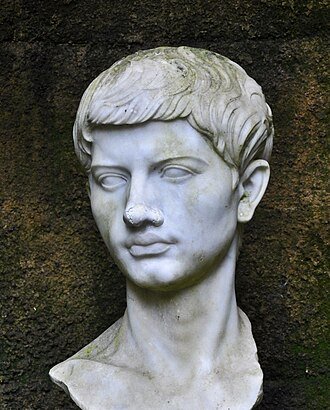
 AuthorVirgil69 BC–18 BC
The Georgics is a didactic poem by Virgil, composed in hexameters and divided into four books, probably published around 29 BCE. Its ostensible subject is agriculture, covering farming techniques, tools, the rhythm of the seasons and the signs of the weather, but the poem goes well beyond idealized rural verse: it is marked by tensions between human labour and a hostile nature, and between hope and the violence of the civil wars that had just torn Rome apart. It draws on Hesiod's Works and Days and takes as a model the farming treatise of Varro, though it departs from it in important ways. Virgil dedicated it to Maecenas, who is invoked at the start of each book, and he praises Augustus, whose rule appears as the only hope of recovery.
The first two books deal with crops: the soil, the plough, sowing, trees, the vine and the olive. The second contains the famous passages in praise of Italy and of spring. The third is devoted to livestock, including cattle and horses, sheep and goats, dogs and animal diseases. The fourth is about beekeeping, comparing the society of bees with human society, and closes with the story of Aristaeus and the myth of Orpheus and Eurydice, in a more epic and elegiac tone.
The work was a constant reference in Renaissance literature, especially for the Beatus ille topos celebrating the simple life in the countryside, and it exerted a lasting influence on later poetry.
Themes
Other works by Virgil
Original Filopedia text based on Wikipedia (es) and Wikipedia (en) and Wikidata.