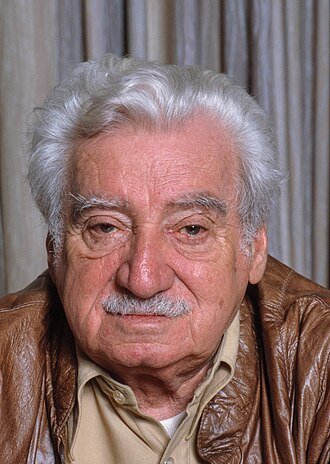
 AuthorJorge Amado1912–2001
Gabriela, Clove and Cinnamon is one of the most celebrated novels by the Brazilian writer Jorge Amado, first published in 1958. It marks a turning point in his output: after an early phase of social novels, Amado entered a second period of costumbrist chronicle, populated by popular characters, powerful colonels and sensual women. Alongside Dona Flor and Her Two Husbands and Teresa Batista Weary of War, it belongs to that phase. With this book the author returned to the so-called cacao cycle, the world of colonels, hired gunmen, prostitutes and swindlers that revolved around the cultivation of the cacao plant.
The action takes place in the 1920s in Ilhéus, in the state of Bahia, a town prosperous from the cacao boom, where the drive for progress coexists with a lively nightlife of bars and brothels. The plot follows two intertwined threads. The first is the love affair between Nacib Saad, a merchant of Syrian origin who owns the Vesúvio bar, and Gabriela, a mixed-race migrant worker arriving from the interior after a drought left the countryside without sustenance. The second is the political struggle between the old landowners, led by the Bastos clan, and the forces of modernization, embodied by Mundinho Falcão, a wealthy exporter from Rio de Janeiro who aims to wrest power from them.
The novel portrays a patriarchal, archaic and authoritarian society shaken by the opening of the port to large ships, the rise of exporters and the decline of the colonels. Gabriela embodies the tension between rural life and urban existence, and her love story tests the unwritten rules of the town.
The book was completed in Petrópolis in May 1958 and appeared from the Martins publishing house in São Paulo to great acclaim: within months it had gone through several editions and in 1959 it won five Brazilian literary prizes. Its success made the name Gabriela popular, lending it to bars, restaurants and businesses across many sectors. It is also Amado's most translated novel, has been adapted for television three times, filmed in 1983 with Sonia Braga, and staged as ballet and turned into comics.
Themes
Other works by Jorge Amado
Original Filopedia text based on Wikipedia (es) and Wikipedia (en) and Wikidata.