Genetic Studies of Genius
longitudinal study in psychology (research book) · 1925
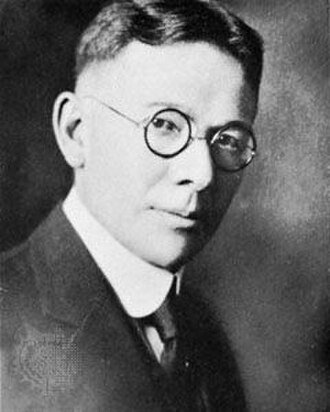 AuthorLewis Terman1877–1956
The Genetic Studies of Genius, later known as the Terman Study of the Gifted, is the oldest and longest-running longitudinal study in psychology. Lewis Terman began it at Stanford University in 1921 to follow the development of gifted children into adulthood. Its findings appeared in five books, a monograph and dozens of articles. The project grew out of Terman's earlier intelligence research, including his doctoral dissertation and his 1916 adaptation of Alfred Binet's test, which became the Stanford-Binet Intelligence Scales, still used in updated form. After working on the Army Alpha during the First World War, Terman returned to Stanford to launch the study. Assistants such as Florence Goodenough and Catharine Cox searched California's public schools for talented children. Terman first hoped to find the thousand most intelligent, but the sample eventually reached 1,528 subjects (856 boys and 672 girls), born between 1900 and 1925.
Terman aimed to disprove the widespread belief that gifted children were sickly, socially awkward and poorly rounded. His early data suggested otherwise: the children were about as healthy as their peers, somewhat more myopic, usually sociable and well adjusted, did well at school and were slightly taller than average. A eugenics supporter, though less extreme than many Social Darwinists of his day, Terman believed intelligence testing could be a constructive tool for shaping society.
The study has been criticised for its unrepresentative sample, and for Terman's personal involvement in his subjects' lives, including letters of recommendation and help with university admission. The sociologist Pitirim Sorokin argued that the group did no better than a random sample from similar backgrounds. Later follow-ups, directed by Melita Oden and Robert Sears, found that more than half of the participants completed college, against about 8 percent of the general population at the time, though most lived rather ordinary lives. The study remains open, and its data continue to inform research on education and life trajectories.
Themes
Original Filopedia text based on Wikipedia (en) and Wikidata.