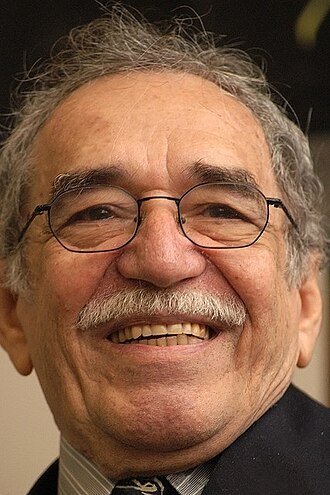
 AuthorGabriel García Márquez1927–2014
No One Writes to the Colonel is a novella by the Colombian writer Gabriel García Márquez, published in 1961. A fragment had appeared earlier, in 1958, in the magazine Mito. García Márquez wrote it between 1956 and 1957, while living in Paris, and it is one of his most celebrated works. Its protagonist is an aging colonel, a veteran of the Thousand Days' War, who waits for a military pension that never arrives. He lives with his asthmatic wife in a small town on the Colombian Caribbean coast, and the action takes place in 1958, during the period known as La Violencia, when martial law and censorship prevailed.
The story opens one October morning as the colonel gets ready to attend the funeral of a town musician. For fifteen years he has gone every Friday to the port's post office hoping for news about his pension. With no income beyond the fighting rooster his son left behind after being killed in political repression, the couple argue over whether to sell the bird or spend their last savings feeding it. Offers come and go, neighbours give conflicting advice, and the colonel is torn between his dignity and his need. The novella ends with one of the most quoted scenes in Spanish-language literature, in which his wife asks what they are going to eat.
García Márquez considered it his best book, and said he had to write One Hundred Years of Solitude before people would read it. Compared with his other works it contains little magical realism and is more sober and direct. Its characters go unnamed, which underlines the insignificance of people who live outside the reach of power. In his memoir Living to Tell the Tale, the author explained that he drew on his grandfather, also a colonel, who never received the pension he had been promised; some critics add his own spell of unemployment in 1956. The novella was adapted for film by Arturo Ripstein in 1999 and has been staged in theatre several times.
Themes
Other works by Gabriel García Márquez
Original Filopedia text based on Wikipedia (es) and Wikipedia (en) and Wikidata.