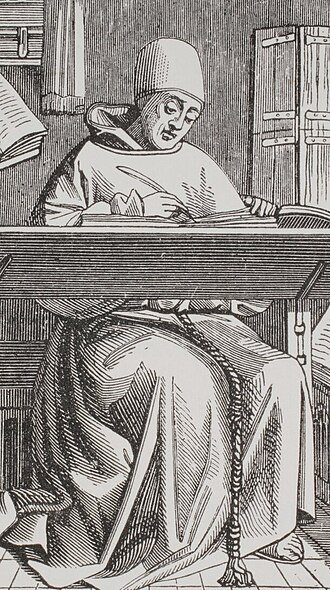
 AuthorMarsilius of Padua1275–1342
The Defensor minor is a work by Marsilius of Padua written around 1342. It restates and defends his best-known work, the Defensor pacis, and discusses civil and ecclesiastical jurisdiction, confession, penance, indulgences, the Crusades, pilgrimages, plenitudo potestatis, legislative power, the origin of sovereignty, marriage and divorce.
On jurisdiction, Marsilius distinguishes between divine and human laws: the former concern human conduct with a view to the afterlife and are independent of any human will; the latter determine the will of the people, carry coercive power, and cannot be modified by any clergyman, not even the Pope. Although both laws have the same beneficiaries, their object and purpose differ: one seeks the good of the soul, the other earthly well-being. For this reason the Church is denied the power to make laws, and amendments and changes belong solely to the people.
The task of the clergy is to teach the sacred texts and prepare souls for the afterlife. Marsilius holds that confession should be made directly to God and that salvation comes only through true repentance, an idea that anticipates principles of the Protestant Reformation.
Themes
Other works by Marsilius of Padua
- Defensor pacis 1324
Original Filopedia text based on Wikipedia (en) and Wikidata.