What Is Intelligence? Beyond the Flynn Effect
popular scientific essay on intelligence and its measurement · 2007
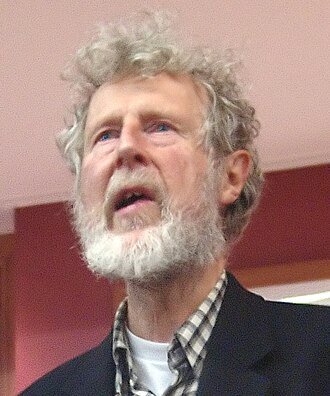 AuthorJames Flynn1934–2020
What Is Intelligence? Beyond the Flynn Effect is a 2007 book by the psychologist James R. Flynn in which he sets out his model for explaining the so-called Flynn effect: the steady rise, from one generation to the next, in average scores on IQ tests. The book gathers much of Flynn's work in this field, as well as that of his colleague William Dickens of the Brookings Institution.
The book opens by describing this phenomenon, which appears to contradict long-held beliefs among researchers of human intelligence. Flynn groups these tensions into four apparent paradoxes: the factor analysis paradox, since the gains vary across subtests and seem to challenge a single general factor; the intelligence paradox, because measured gains over short periods are not visible in everyday life; the mental retardation paradox, since extrapolated back to 1900 the average IQ would fall in a range that today counts as intellectual disability; and the identical twins paradox, where the close IQ resemblance of separately raised twins had been taken as evidence for genetic causes, while rapid shifts suggest a larger role for environment. Much of the rest of the book proposes ways to resolve these inconsistencies and to rethink what intelligence is and how it might be measured.
To this end, Flynn and Dickens propose a model in which genes and environment interact and multiply one another's effects: the cognitive environment people live in has changed substantially over the past century, with new ways of thinking, communicating and entertaining, and people with genetic advantages tend to seek out more demanding settings, which magnifies individual differences. Flynn also offers a three-level framework, covering brain, individual differences and society, and criticizes
Themes
Original Filopedia text based on Wikipedia (es) and Wikipedia (en) and Wikidata.