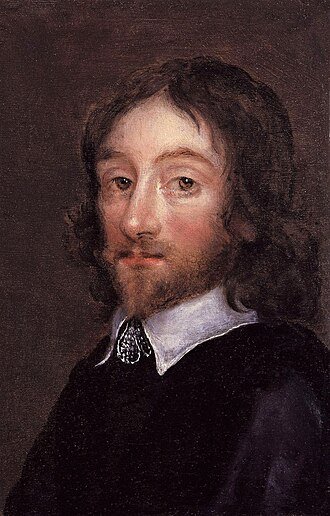
 AuthorThomas Browne1605–1682
Religio Medici (The Religion of a Physician) is a work by the English physician and writer Thomas Browne, written in an essayistic and spiritual vein with strong autobiographical features. Browne composed it around 1635 as a private exercise, and for years it circulated in manuscript. An unauthorised edition appeared in 1642, and a version corrected by the author was published legitimately the following year.
The book has no clear plot or argument. Browne professes his Christian faith from beginning to end, with notable tolerance toward the different churches and branches of Christianity, and often digresses into esoteric, alchemical or physiognomic subjects. It is divided into two parts: the first deals with Christian doctrine and the second with Christian morality. Its most admired feature is its style, which is poetic, expansive and almost musical, joining an unusual mysticism with considerable restraint.
The work was widely received. It was soon translated into French, Dutch, German and other languages, and Samuel Johnson praised its merits. In the Romantic period it regained prominence through writers such as Coleridge, Charles Lamb, Carlyle and Matthew Arnold, and its intimate, confessional tone is often regarded as a precedent for later personal writing.
Themes
Books to read
- Religio Medici, Hydriotaphia, and the Letter to a Friend EnglishEPUB 223 KBRead online
Original Filopedia text based on Wikipedia (es) and Wikipedia (en) and Wikidata.