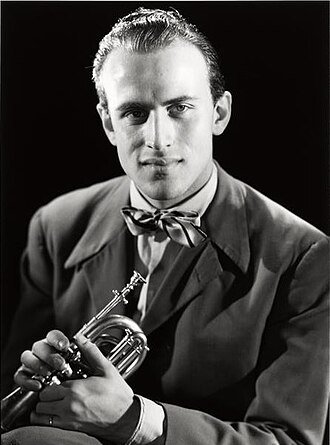
 AuthorBoris Vian1920–1959
Heartsnatcher is a 1953 novel by the French writer Boris Vian, written in the middle of the twentieth century within the surrealist current. It follows Jacquemort, a psychoanalyst who happens to arrive at a country house near the sea and gradually becomes part of the daily life of its owners and of the inhabitants of the nearby village. The structure is simple: the book is divided into untitled sections headed by a date, and from about the midpoint those dates become impossible, such as the 39th of junly or the 348th of julyember, which reinforces the fantastical character of the whole.
The plot mainly serves as a frame for describing characters and situations that work as minor storylines. Jacquemort looks for patients to analyse in order to fill his own inner emptiness, and this can be read as a satire of existentialist thought and of those who seem to lack a personality of their own and seek feelings in others. Clémentine, who has just given birth to triplets whom she at first rejects, later becomes an overprotective mother who prevents her husband Ángel from forming bonds with the children. Jacquemort observes absurd and cruel customs in the village, such as a fair of old people, child abuse, the torture of animals, and faith treated as a luxury item. A boatman known as La Gloira collects the villagers' sins in a stream of red water, freeing them from remorse.
The novel was poorly received on its appearance, being considered mischievous and satirical, but over time it has become one of the most admired satires among readers of the absurd. Its influence reaches the cinema: Michel Gondry's film Eternal Sunshine of the Spotless Mind gives its protagonists the names Joel and Clementine as a tribute to Vian.
Themes
Other works by Boris Vian
Original Filopedia text based on Wikipedia (es) and Wikipedia (en) and Wikidata.