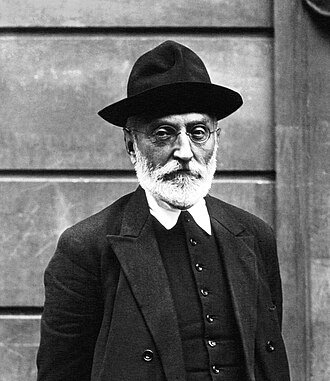
 AuthorMiguel de Unamuno1864–1936
The Tragic Sense of Life in Men and in Peoples is one of the most notable philosophical essays by Miguel de Unamuno. It is dated "Salamanca, in the year of grace 1912" and was published in 1913. Written under the influence of Søren Kierkegaard and Saint Ignatius of Loyola, among others, it was produced by Unamuno, then rector of the University of Salamanca, as an inquiry into the existential problems of contemporary man.
The book promotes a sceptical outlook in which struggle and the processes of seeking understanding are sources of meaning, and in which belief in God is motivated by the desire to exist and by the basic legitimacy of feelings as sources of understanding.
The book was translated into many languages, including English in 1921. The Catholic Church in Spain condemned it as dangerous, and the Holy Office placed it on the Index of Prohibited Books by decree of 23 January 1957, twenty years after its author's death. According to the scholar Miguel Ángel Cordero Del Campo, the worldview it presents is not truly tragic in the sense of affirming reality by embracing its limits, but rests instead on a romantic affirmation of anxiety and agony.
Themes
Books to read
- Del sentimiento trágico de la vida SpanishEPUB 291 KBRead online
- Tragic Sense Of Life EnglishGutenberg
Other works by Miguel de Unamuno
- Mist 1914
Original Filopedia text based on Wikipedia (es) and Wikipedia (en) and Wikidata.