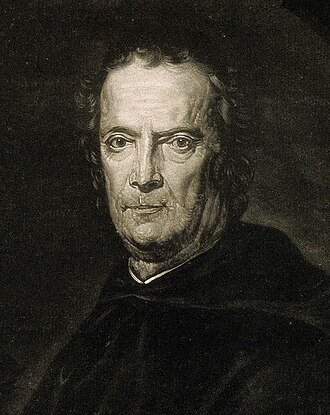
Paolo Sarpi
1552–1623 · Venetian friar, historian and polemicist who defended the independence of the Republic of Venice against the papacy
Fra Paolo Sarpi (born Pietro Sarpi in Venice, 1552 – 1623) was an Italian Servite friar, theologian, historian and man of science, and one of the sharpest thinkers of early seventeenth-century Europe. He matters because he argued for the authority of the state over church affairs and wrote critical history that bridges the Renaissance and the Enlightenment.
The son of a merchant, he lost his father as a child and joined the Servite Order at thirteen. He quickly gained a reputation for learning and held posts in Mantua, Milan, Venice and Rome. From 1606, during the dispute between the Republic and Pope Paul V, he became its theological and legal adviser, writing treatises that challenged papal authority in temporal matters. He survived an assassination attempt in 1607 and continued serving the state until his death.
His best-known work, the History of the Council of Trent, published in London in 1619, criticises the Roman curia and the way the council's decisions were shaped by politics. Sarpi held that civil power could regulate the clergy and that interdicts had lost their force. His influence reached thinkers such as Hobbes and Gibbon, and he became a symbol of Venetian republicanism and free thought.
Key ideas
- Separation of Church and state: civil authority may and should regulate the temporal affairs of the clergy.
- Limits of papal power: the pope's authority in secular matters is limited, and appeal to a general council is possible.
- Critical history: the history of the Church must be examined through documents and reason, without hiding political interests.
- Experimental science: observation and experiment are the way to understand nature.
Curiosities
A failed assassination
In October 1607 he was attacked by assassins who left him for dead. He survived and, as it is recounted, remarked that he recognised the style of the Roman Curia in the wounds.
His last words
According to tradition, he died saying «Esto perpetua», a wish that the Republic might live forever.
Original Filopedia text based on Wikipedia (es) and Wikipedia (en) and Wikidata.